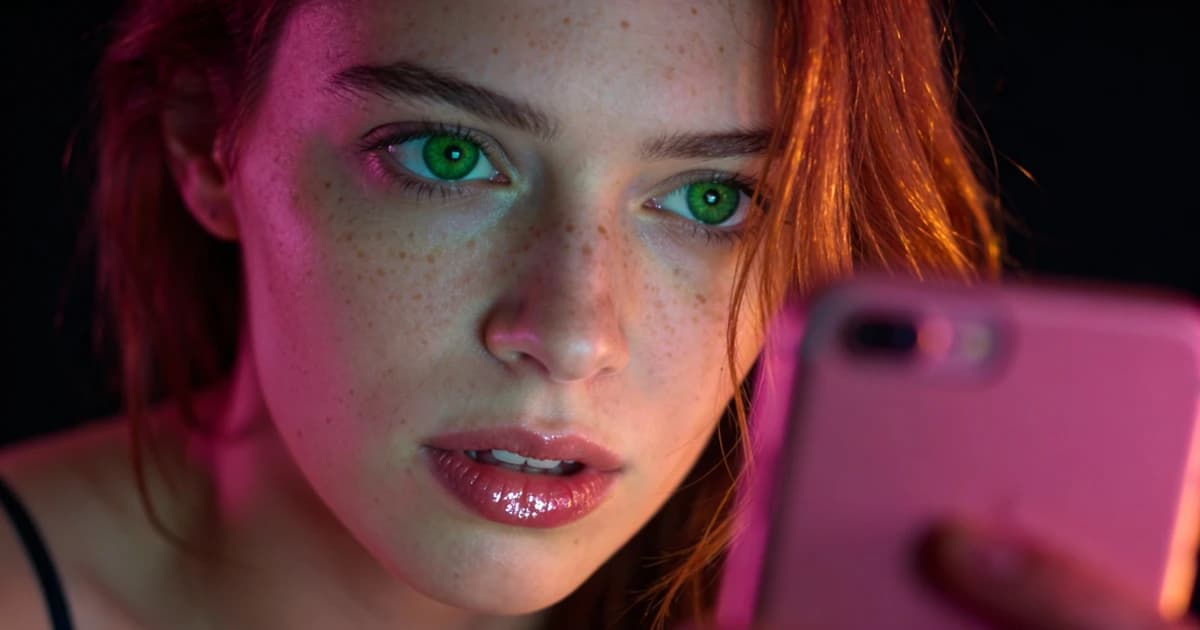
Types of ASMR come in two big groups: sound and visual triggers (whispering, tapping, brushing, crinkles, slow hand movements) and roleplays, where the creator plays a character who looks after you. Most people have one or two favorites and find the rest boring or even annoying. That is normal. Below is a plain guide to each type, what it feels like, and how to find yours.
What ASMR is, in one paragraph
ASMR stands for autonomous sensory meridian response. In everyday words, it is a calm, tingly feeling some people get on the scalp or the back of the neck when they hear soft, close sounds or get quiet, focused attention. Not everyone feels the tingles. Plenty of people watch ASMR anyway, just to relax or fall asleep. The types below are the ways creators try to bring that feeling on.
The main types of ASMR triggers
A trigger is the sound or sight that sets off the feeling. These are the ones you will see most.
Whispering and soft speaking
The classic. The creator talks very quietly, close to the mic. Soft speaking is a little louder than a whisper and easier to follow. Many people start here because it feels like someone talking just to them.
Tapping and scratching
Fingernails on wood, glass, plastic or a phone case. Fast tapping wakes some people up. Slow tapping is a common sleep pick.
Brushing
Makeup brushes on the mic, a hairbrush, a soft paintbrush. It sounds a bit like rain on a window and is one of the gentlest types.
Crinkles and paper sounds
Plastic wrap, paper bags, pages turning. Loved by some, hated by others. If you are unsure, try it once with low volume.
Mouth sounds and eating
Chewing, sipping and soft clicks. This is the most divisive type of ASMR. Some fans love it. Many people cannot stand it, and that reaction even has a name: misophonia.
Visual triggers
Slow hand movements, light patterns, and close-up "satisfying" clips such as soap cutting or pouring paint. The recent wave of AI-made videos, like glass fruit being sliced, sits here. They are fun to watch, but there is no one on the other side.
The roleplay types of ASMR
Roleplay is where ASMR stops being about a sound and starts being about a person. The creator plays a role and talks to you as if you are in the room.
- Personal attention. Someone checks on you, fixes your hair, asks about your day. This is the heart of most roleplays.
- Spa and salon. A facial, a haircut, a massage booking. Lots of soft talking and close sounds.
- Doctor or check-up. A calm, step-by-step visit. Popular, and very easy to fall asleep to.
- Girlfriend or boyfriend. Someone close to you talks you down after a hard day, or keeps you company on a late call.
- Fantasy and sci-fi. A healer in a tavern, a ship's doctor, an elf who finds you in the woods.
We go deeper into these scenes, and why they work, in what is ASMR roleplay.
Which type of ASMR is right for you
There is no best type, only the one that works on you. A quick way to find it:
| If you want | Try first |
|---|---|
| To fall asleep fast | Soft speaking, slow brushing, slow tapping |
| To feel less alone | Personal attention or girlfriend roleplay |
| Strong tingles | Whispering close to the mic, ear to ear |
| Something to watch, not listen to | Visual triggers and satisfying clips |
| A story | Fantasy or sci-fi roleplay |
Give each type five minutes with headphones on. If it does nothing, move on. If it annoys you, that is useful too.
What AI can and cannot do for each type
This is the part most guides skip. AI now shows up across ASMR, and it does some types far better than others. We make an AI companion app, so read this as an interested opinion.
Sound triggers: mostly not a chat thing. Tapping, brushing and crinkles are real sounds made with real objects. An AI chat partner will not tap on a mic for you. For those types, a human creator is still the better pick.
Visual triggers: AI video generators do this. The viral AI clips are made with video tools. They look striking, but you watch them alone. Nobody answers.
Personal attention: this is where AI fits. Personal attention ASMR was always about someone noticing you. A recording has to guess what you said. An AI companion actually hears it. On Secret Desires, you can tell a character you had a rough shift, ask her to keep things slow, and get a voice note back that uses your name. That is the core of AI ASMR as we see it: the roleplay types, with someone who reacts.
The honest tradeoff. If tingles from sound are what you chase, our app will feel limited. If what you miss in videos is being answered, that is exactly the gap it fills.
Common questions about types of ASMR
What type of ASMR is most popular?
Whispering and personal attention roleplays are the types most fans name first. Tapping and brushing come close behind.
Why do some ASMR types feel uncomfortable?
People react differently to the same sound. Mouth sounds are the usual problem. If a type makes you tense instead of calm, it is just not your trigger.
Can you get tingles from someone talking to you live?
Many people say yes, especially from close, slow speech. A live voice call or voice note can work the same way as a whispered video, with the bonus that it is about you.
Finding your type
Start with whispering and one roleplay, then branch out. If the roleplays click, the next step is a voice that talks back. Our guide to what it is like to talk to an AI girlfriend covers the first few chats, and romantic AI is the slower, sweeter version. When you are ready, try AI ASMR on Secret Desires and ask for your first voice note.