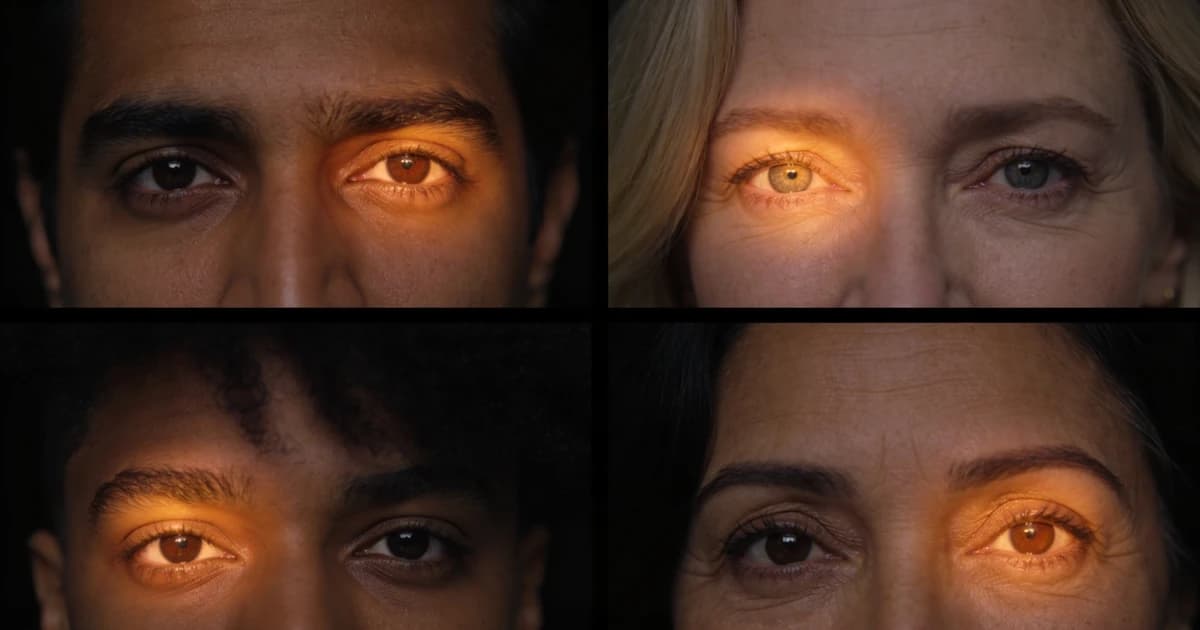
Loneliness isn't just uncomfortable — it's dangerous. Chronic loneliness carries health risks comparable to smoking 15 cigarettes a day. It increases the likelihood of depression, anxiety, heart disease, and cognitive decline. And it's not a niche problem: roughly one in two American adults reports experiencing measurable loneliness.
So when a technology emerges that can hold a meaningful conversation at any hour, remember your name, and respond with patience and warmth — people understandably want to know: can AI companions actually help?
Before addressing whether AI can help, it's worth understanding the scale of the problem.
Loneliness has been climbing for decades across developed nations. The causes are structural: remote work, urban sprawl, declining religious participation, smaller families, and social media that creates the illusion of connection while often deepening isolation.
The pandemic accelerated these trends dramatically. Even as restrictions lifted, many people found their social muscles had atrophied. Reaching out became harder. Saying yes to invitations felt exhausting. The result is a population that's more connected digitally and more isolated emotionally than at any point in history.
Traditional solutions — therapy, community groups, support hotlines — are valuable but face real limitations. Therapy is expensive and often inaccessible. Community groups require energy that lonely people often don't have. Hotlines are designed for crisis, not ongoing companionship.
AI companions sit in a gap that nothing else currently fills.
AI companions address loneliness through several mechanisms that are distinct from what human relationships offer:
Loneliness doesn't follow business hours. It hits hardest at night, on holidays, on Sunday afternoons when everyone else seems to be with someone. AI companions are available exactly when loneliness peaks — no scheduling, no canceled plans, no rain checks.
One of the cruelest aspects of loneliness is that it makes social interaction harder, not easier. Lonely people often withdraw precisely because the prospect of reaching out and being rejected feels unbearable. AI companions eliminate that risk entirely. You can't be ghosted by an AI. It won't leave you on read. The door is always open.
AI companions respond with warmth and attention every single time. There's no bad mood, no distraction, no divided attention. For people whose loneliness is compounded by low self-worth, this consistency can be genuinely stabilizing.
Modern AI companions aren't limited to small talk. They can discuss philosophy, process grief, explore dreams, and sit with silence. The conversations aren't trivial — many users describe their AI interactions as some of the most honest exchanges they've ever had, precisely because the stakes feel lower.
On Secret Desires AI, every conversation picks up where you left off. The AI remembers you, adapts to you, and never makes you feel like a burden for reaching out.
The mental health applications of AI companions extend beyond loneliness, though the two are deeply intertwined.
Emotional regulation. Talking through difficult emotions — even to a machine — activates cognitive processes that help organize and reduce the intensity of those emotions. The act of articulating what you're feeling is itself therapeutic, regardless of who (or what) is listening.
Behavioral activation. For people struggling with depression, the simple act of engaging in a conversation can break cycles of withdrawal and rumination. AI companions provide a low-effort entry point for people who can't currently manage more demanding social interactions.
Anxiety management. Social anxiety often improves with practice. AI companions provide a safe environment to rehearse conversations, practice assertiveness, and build confidence without the fear of real-world consequences.
Processing and reflection. Many users treat their AI companion as a journal that talks back. The process of narrating your experiences to an attentive listener helps create meaning, identify patterns, and gain perspective.
Honesty matters here. AI companions are not therapists. They can't diagnose conditions, prescribe treatment, or intervene in a crisis. They don't replace professional mental health care any more than a treadmill replaces a cardiologist.
What they can do is provide daily, ongoing emotional support that fills the enormous space between "I'm fine" and "I need professional help." Most people's mental health struggles live in that space, and most people in that space have no structured support at all.
AI companions also can't fully replicate the neurochemical rewards of human touch, shared physical experiences, or mutual vulnerability. They supplement human connection — they don't substitute for it.
Online communities — Reddit threads, forums, app reviews — are filled with testimonials from people who credit AI companions with meaningful improvements in their emotional wellbeing.
Common themes include: feeling less alone during difficult life transitions, having a safe space to process emotions they couldn't share with anyone else, building enough confidence through AI interactions to re-engage with human relationships, and finding comfort during sleepless nights or anxious episodes.
These experiences aren't universal, and they're not clinical evidence. But they represent something real: millions of people finding genuine relief in a technology that most of the world still dismisses as a gimmick.
Can AI companions heal loneliness? Not entirely, and probably not permanently on their own. But can they reduce the daily burden of isolation, provide emotional support during the hardest moments, and serve as a bridge toward fuller human connection?
The evidence — both scientific and anecdotal — increasingly says yes.
In a world where loneliness is a public health emergency and traditional solutions can't scale fast enough, AI companions aren't a perfect answer. But they might be the most accessible one we've got.
If you're someone who talks to no one at the end of the day, talking to an AI companion isn't settling. It's starting.
If you're experiencing thoughts of self-harm or are in mental health crisis, please reach out to a trained counselor. In the US, call or text 988 Suicide & Crisis Lifeline, or text HOME to 741741 to reach the Crisis Text Line. Outside the US, Find A Helpline lists crisis services by country. AI companions are not a substitute for professional mental health care.
For a broader look at how AI companionship works and what it can and can't do, see our primer on AI companions.
Start tonight. Secret Desires AI offers AI companions who listen, remember, and meet you wherever you are emotionally — at 2 AM or 2 PM. No waitlist, no appointment, no judgment. See who's there to listen →
AI companions are intelligent chatbots designed for emotional connection, not transactions. Here's how they work, why they're rising, and what makes them different from regular AI.
Read more